Tag: Australia

  • Man found guilty of making sexualised deepfakes of students and staff

    Man found guilty of making sexualised deepfakes of students and staff

    A man who made and distributed sexualised deepfake images of current and former students and staff at Brisbane high schools has been found guilty on all 17 counts, in one of the first completed prosecutions of its kind in Australia.

    A jury at the Brisbane District Court convicted Antonio Rotondo, 56, of 11 counts of stalking, five counts of distributing intimate images and one count of distributing child exploitation material, the ABC reported. He had pleaded not guilty to all of them. The jury deliberated for several hours.

    The offending took place in September 2023, while Rotondo was living in the Philippines. Using a website, he digitally altered publicly available photographs of several women and girls to remove their clothing or replace it with lingerie.

    He then emailed the images to a range of recipients. One image, of a 13-year-old girl, was sent to her school. He also emailed altered photographs of women who had taken part in a Brisbane Fashion Week event to another woman involved in the same event. More than a dozen of the images were uploaded to a website.

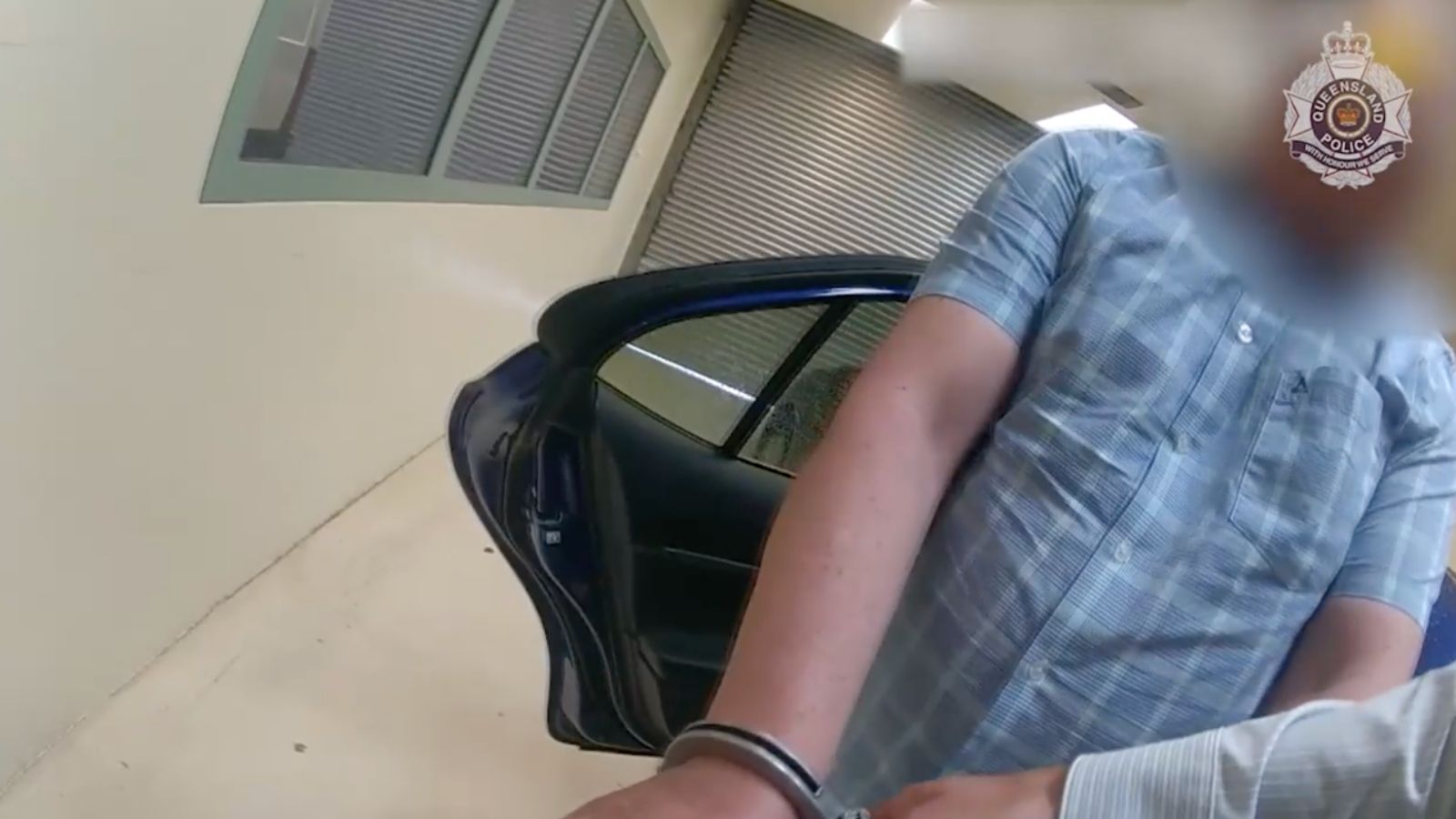
    He was arrested a month later, after travelling to the Gold Coast.

    “Funny”, and a “hobby”

    In a police interview played to the jury, Rotondo admitted sending the emails and uploading the images. Asked why, he said he did it because it was “funny”, and described it as a “hobby”.

    He also told officers that “you cannot stop deepfakes”, and that because the software to make them exists they must be “acceptable to a percentage of community”.

    The defence the jury rejected

    Rotondo represented himself. To convict him on some of the charges, the jury had to be satisfied that his conduct caused distress to the complainants.

    In his closing address he argued there was reasonable doubt that some had suffered serious emotional harm, because they had never seen the images.

    “They didn’t see that image so it’s not possible for them to have a psychological problem with that image,” he said.

    He also argued there was insufficient evidence that he controlled the website.

    The jury convicted him on every count.

    What the complainants said

    Several complainants described the effect of the images in police interviews played to the court.

    One woman said she was “very distressed”. Another said she felt “extremely violated” and that her “trust is gone” in general society.

    “I’ve since significantly self-censored how I show up, how I present publicly,” she said.

    What happens next

    Rotondo was remanded in custody. His sentencing hearing is listed for Wednesday.

  • Camera glasses should blur faces by default, Australian regulator says

    Camera glasses should blur faces by default, Australian regulator says

    Companies that make camera glasses should automatically blur the faces of people who have not consented to being filmed, Australia’s online safety regulator has told the industry.

    In a report published in August and reported on Monday, the eSafety Commissioner set out five measures it wants manufacturers to adopt, and described how the devices are being used against women.

    “‘Pick up artist’ content creators use smart glasses to film themselves flirting with women and asking them on dates, then upload the footage to social media under the guise of providing ‘dating advice’,” the report says. “Most of the women do not realise they are being filmed. These posts often attract misogynistic comments, compounding the harm.”

    Used that way, it says, the glasses “can reinforce and normalise watching, recording and controlling women in public without their knowledge”, contributing to “harmful gendered stereotypes” and undermining “women’s agency in public spaces”.

    The report records that perpetrators have demanded money from victims to take down viral footage recorded with the glasses, which it calls an extension of existing forms of online extortion. It says the same covert recording features could be used to commit image-based abuse.

    The five measures

    Some glasses already use a light to show they are recording, the report says, but “bystanders often do not notice these lights, particularly if they are unfamiliar with the technology”. It calls for “a clear and unmistakeable recording indicator that cannot be disabled or easily obscured”, and says recording should be blocked if the light is tampered with.

    Companies “should automatically blur the faces of people who have not provided informed consent”, it says, which “would help prevent people from being filmed without their knowledge in ways that could later cause harm”.

    Live streaming should run on a delay, with visual and audio indicators when it begins, and the delay should be long enough for moderation software to review the content before broadcast.

    The glasses should not be able to record when they are not being worn. And users should not be able to use them to retrieve information about members of the public.

    The report also records benefits, including live speech-to-text for deaf users and descriptions of surroundings for people with low vision.

    Enforcement

    The recommendations are not binding. The report notes that eSafety’s Online Safety Codes and Standards oblige service providers to prevent, detect and remove unlawful material, which it says may include content captured and shared through smart glasses. The regulator can investigate compliance and impose civil penalties of up to A$54.6 million.

    The government’s answer

    Australia’s attorney-general, Michelle Rowland, said on Monday the government was not considering a ban on importing the glasses, which the Greens and independent members of parliament had sought. “We are not specifically, in this consultation, consulting on an import ban,” she told reporters, adding that it was “not ruling anything out in terms of other measures”. A ban would have consequences across trade and foreign affairs, she said.

    She released draft privacy legislation instead, out for consultation, which includes a right to erasure from large social media platforms and search engines and is drafted to be technology-neutral. Rowland said councils and businesses could restrict the glasses themselves, pointing to Brisbane City Council’s ban on non-consensual filming at its 21 public pools last week.

    Greens senator David Shoebridge called the draft laws a modest step forward but said they should cover the glasses, and repeated the call for an import ban.

    Elsewhere

    Norway’s Ministry of Digitalisation said on 25 August it was seeking stricter regulation and would appoint an expert group, and was considering banning facial recognition of other people in public spaces. Hong Kong’s privacy commissioner has warned the glasses could become a tool for covert filming, and civil society organisations in Brazil have asked the authorities to examine the privacy risks of Meta’s Ray-Ban glasses. France’s data protection authority said in May that recording indicators were of limited use and absent for some functions.

    Meta closed a way of defeating its recording light on 27 August, the second such change in under two months. Cheaper models have driven the take-up: earlier versions cost about $500, and some now sell for under $100.

  • Glasses that record without consent face growing scrutiny

    Glasses that record without consent face growing scrutiny

    Norway is preparing stricter rules on smart glasses and Australia’s attorney-general has asked the national privacy regulator to give them priority, as wearable cameras that pose come under official scrutiny in a growing number of countries.

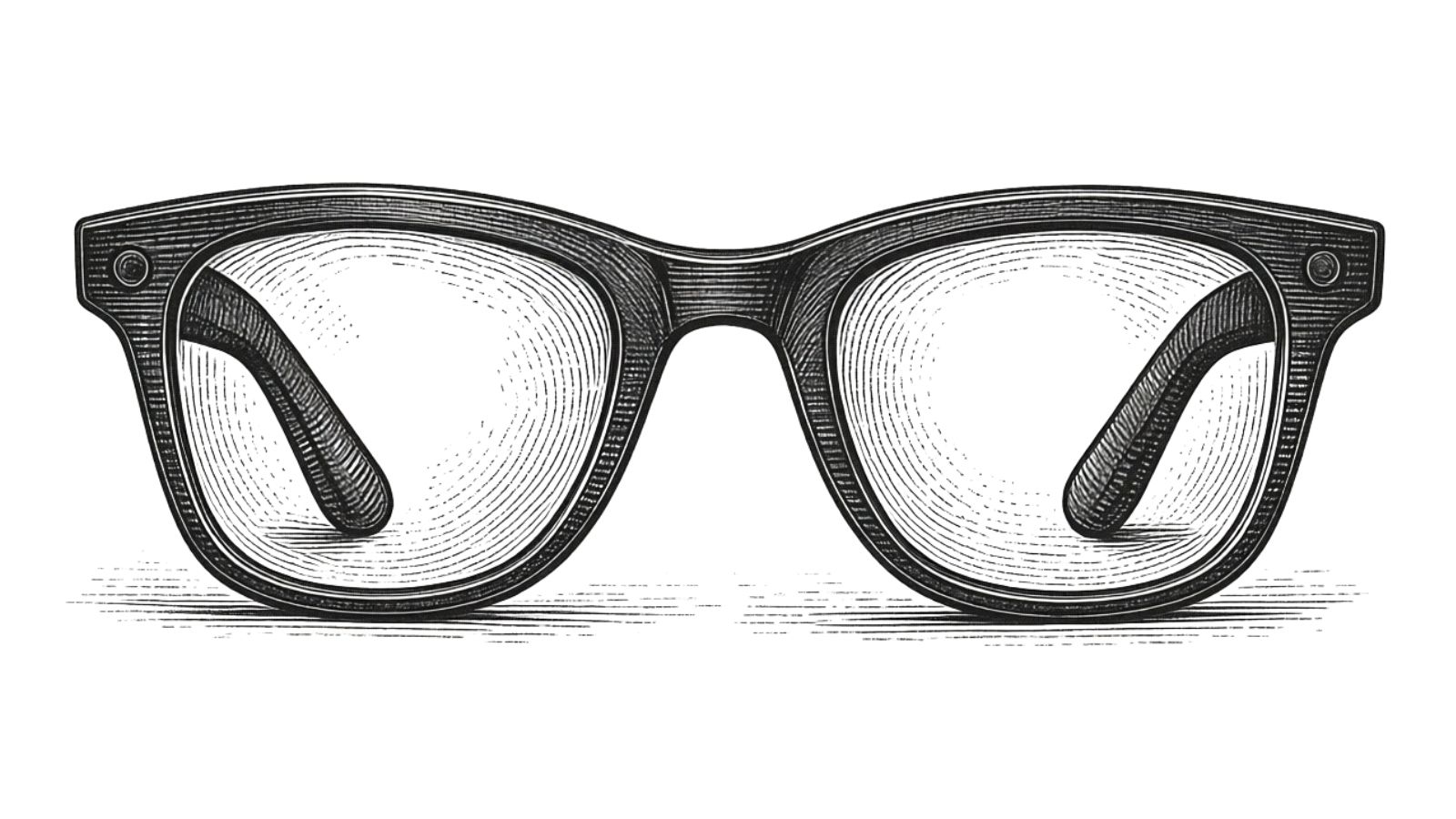
    The glasses hold a camera and a microphone in the frame and connect to the wearer’s telephone. They take photographs and record video, in some cases on a spoken command. What distinguishes them from a telephone is that a person nearby cannot tell they are in use. A telephone has to be held up and pointed.

    What Australia has said

    The Attorney-General, Michelle Rowland, wrote to the Privacy Commissioner on 7 August asking that the devices be given priority consideration.

    Her department said the glasses “may have significant privacy implications, especially for women and children who could be disproportionately affected by inappropriate recording, harassment, surveillance or other harmful conduct enabled by this technology”.

    “Unlike other forms of technology, smart glasses may be used more discreetly, making it harder to know when you are being recorded,” Rowland said.

    The Privacy Commissioner, Carly Kind, set out her own position the same day. Writing on the website of the Office of the Australian Information Commissioner, she said there was a meaningful difference between surveillance fixed to a place, such as in an airport, and “surveillance wearables in the hands of every roving individual, designed for discretion (or even concealment)”.

    For most people most of the time, she wrote, being recorded would have few consequences. “But there will be exceptions to benign usage — where smart glasses users are able to use the tech in harmful ways to exploit or surveil vulnerable groups, such as children or victims of domestic violence, or for other untoward ends, such as corporate espionage, data theft, extortion or bribery.”

    Kind said the office was monitoring the market to establish whether intervention was warranted.

    The gap in the law

    Australia’s Privacy Act applies to businesses and government agencies. It does not apply to individuals, and it applies only when a regulated entity collects personal information.

    Where images are held on the device itself rather than passing to a company, Kind wrote, the Act may not reach them at all. She pointed instead to Australia’s recently introduced tort of serious invasions of privacy, which allows a claim against an individual who intentionally breached another’s privacy and caused serious distress, offence or harm.

    Norway

    Norway’s Ministry of Digitalisation announced on 25 August that it was seeking stricter regulation of the devices and urging the public and private sectors to consider their own guidelines.

    “We see that people’s privacy and data protection are being put under pressure by new technology, so I will therefore regulate smart glasses and similar devices more strictly than today,” the Minister of Digitalisation and Public Governance, Karianne Tung, said, according to Euronews.

    “This could, for example, involve banning functions such as facial recognition of other people in public spaces.”

    The ministry is to appoint an expert group to advise it. It has not proposed a general ban.

    The Australian bill

    The Australian Greens say they will introduce a bill when parliament returns in September to prohibit the import of wearable recording devices for at least twelve months, until privacy law can be revised, the ABC reported. The independent members David Pocock and Kate Chaney have indicated support.

    The bill would amend the Privacy Act so that filming, storing or sharing footage from such a device without consent is a breach of the law, and would give the Information Commissioner and the eSafety Commissioner power to investigate complaints and impose penalties, according to the same reports. That would extend the Act to individuals for the first time.

    The Greens are a minor party and the bill is unlikely to proceed without the federal government’s support.

    The recording light

    Meta said on 27 August that it was closing a way of defeating the light that shows its glasses are recording. The camera was already built not to start recording while the light was covered; people were starting a recording and then covering it.

    “A fix for this is starting to roll out — the camera will now stop working if the light is covered during a recording,” Meta’s vice-president for augmented reality, Alex Himel, wrote on Threads, in comments reported by Engadget.

    It was the second such change in under two months. Meta said last month that it would disable the cameras if it detected that the recording light had been physically damaged.

    Engadget reported that the company has not stopped every method, and that there is a market in cheap accessories that bypass the light without detection. It also reported that Instagram has banned the accounts of some of the people posting videos filmed this way.

    Meta has begun what it calls an education and awareness campaign, including a billboard in Los Angeles saying the glasses are “designed for everyone” and “not just the people wearing them”.

    France’s data protection authority reached a similar conclusion in an action plan published on 11 May, finding that lights and other means of telling people they were being recorded were of limited use, and were absent altogether for some functions. A survey it commissioned in January found 67 per cent of French respondents considered the glasses a risk to privacy.

    Brisbane

    Brisbane City Council banned the non-consensual use of camera-enabled devices, including wearables, at all 21 of its public pools on 25 August. Visitors may still bring the glasses in but may not film without permission, and lifeguards may eject those who do. Under Queensland law it is otherwise lawful to film people in public without their knowledge.

    The Lord Mayor, Adrian Schrinner, said swimmers were increasingly worried about being filmed, and that the concern had grown with the arrival of cheaper glasses sold under the Anko brand.

    “We want everyone that uses our pools to know that they’re not secretly being recorded by other users of the pool, that their children are not being recorded,” he said, according to the ABC.

    What is coming

    The market is widening. Kind noted that Google plans to launch smart glasses later this year and Apple in 2027, that cut-price versions are being sold by retailers including Kmart and Amazon, and that OpenAI has its own plans for a wearable device.

  • Nearly nine in ten Australian women in politics report online abuse

    Nearly nine in ten Australian women in politics report online abuse

    Nearly 90 per cent of Australian women who hold elected office or are seeking it have experienced online abuse or intimidation linked to their political participation, according to a survey published on Wednesday by Women for Election, an organisation that trains women to stand for public office.

    The survey is the organisation’s own research, commissioned in July 2026.

    It is one of the few Australian datasets that asks women in politics directly about AI-generated abuse. Sixty-five per cent of respondents said they had personally experienced or witnessed AI-generated abuse, deepfakes or manipulated content targeting women in public life, and 98 per cent said they were concerned artificial intelligence would make the problem worse over the next five years.

    Half now question whether they should have stood

    Eighty-two per cent of respondents said they had changed their behaviour because of online abuse. Of those, 58 per cent limited their use of social media, 36 per cent increased security measures and 34 per cent took time away from campaigning or public life. Half said that, knowing what they now know, they were unsure they would run again or would not have run at all. Sixty-four per cent said abuse had made them less likely to stand again, seek higher office or encourage other women to stand.

    Forty-five per cent said family members or campaign supporters had been targeted because of their political involvement.

    Only 47 per cent of those who experienced abuse reported it, and of those, 69 per cent were dissatisfied with the response they received. Women for Election’s media release states that 110 women were surveyed.

    Helen Blackburn, mayor of Bundaberg Regional Council in Queensland, told Australian Associated Press she had faced a campaign of AI-generated fakes across several platforms in the past two months, including a parody series made after she announced her council’s budget. One item featured the Grim Reaper, she said, followed by users writing that they hoped she would die and that “all I need is two bullets and I’ll sort it out”. Blackburn said she had considered resigning.

    The global picture

    Women for Election sets its findings alongside research led by Julie Posetti of City St George’s, University of London, for UN Women. That study, Tipping point: The chilling escalation of online violence against women in the public sphere, published in December 2025 and drawn from a 2025 survey of women journalists, human rights defenders, activists and other public communicators, found that 70 per cent had experienced online violence in the course of their work and that more than 40 per cent reported offline harm linked to online abuse.

    Among women journalists and media workers specifically, the share who linked offline attacks, abuse or harassment to online violence rose from 20 per cent in a 2020 UNESCO survey, also led by Posetti, to 42 per cent in 2025 — more than double.

    Women for Election is calling for greater accountability from social media and AI companies, dedicated protections for candidates during election periods, and a national action plan.

    Australia already has a statutory route. The eSafety Commissioner can require platforms to remove adult cyber abuse, but the threshold is narrow: the material must target one particular Australian adult, must be menacing, harassing or offensive, and must meet a test of serious harm judged by what an ordinary reasonable person would conclude rather than by the effect on the person targeted.