
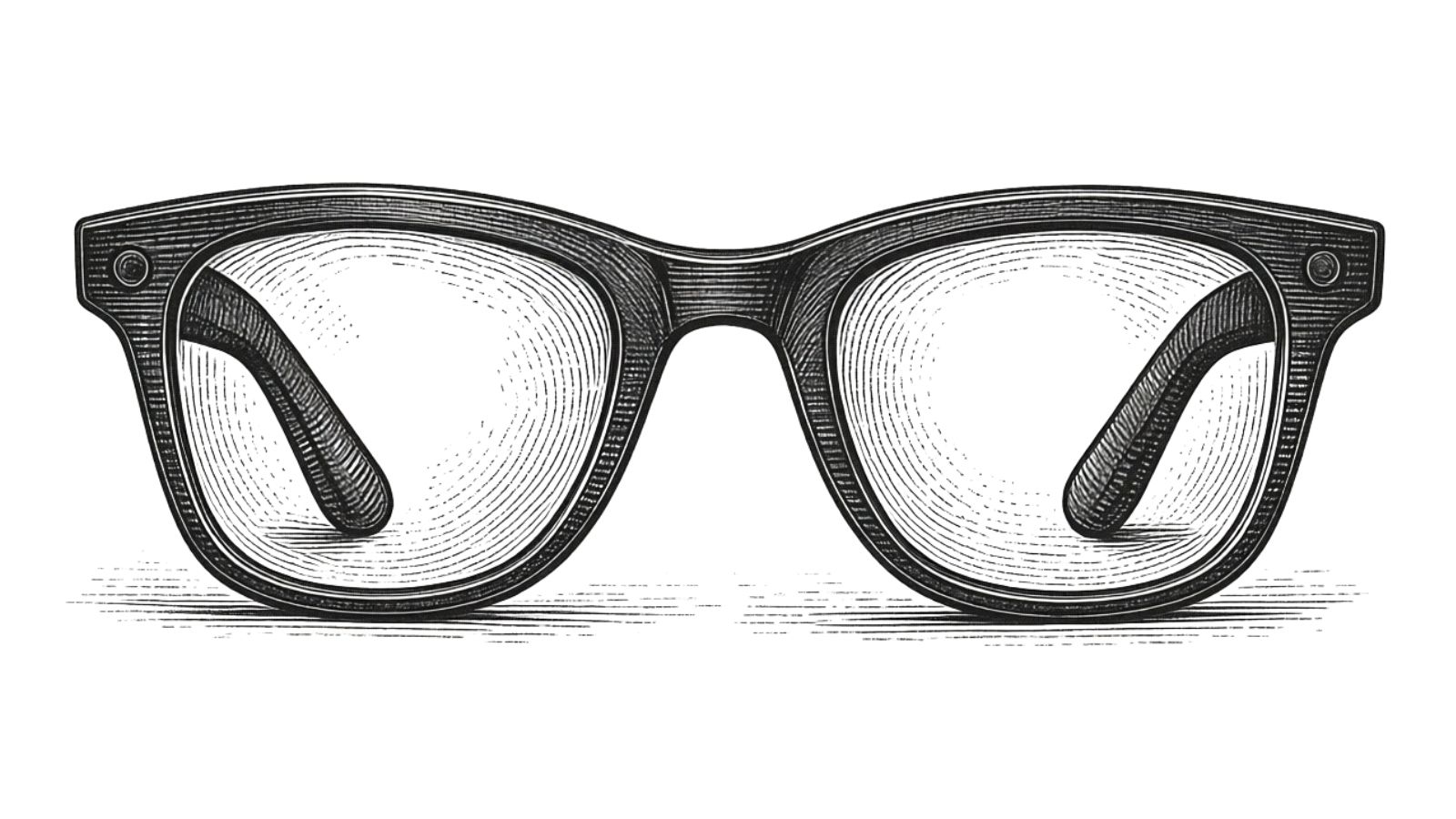
Norway is preparing stricter rules on smart glasses and Australia’s attorney-general has asked the national privacy regulator to give them priority, as wearable cameras that pose come under official scrutiny in a growing number of countries.
The glasses hold a camera and a microphone in the frame and connect to the wearer’s telephone. They take photographs and record video, in some cases on a spoken command. What distinguishes them from a telephone is that a person nearby cannot tell they are in use. A telephone has to be held up and pointed.
What Australia has said
The Attorney-General, Michelle Rowland, wrote to the Privacy Commissioner on 7 August asking that the devices be given priority consideration.
Her department said the glasses “may have significant privacy implications, especially for women and children who could be disproportionately affected by inappropriate recording, harassment, surveillance or other harmful conduct enabled by this technology”.
“Unlike other forms of technology, smart glasses may be used more discreetly, making it harder to know when you are being recorded,” Rowland said.
The Privacy Commissioner, Carly Kind, set out her own position the same day. Writing on the website of the Office of the Australian Information Commissioner, she said there was a meaningful difference between surveillance fixed to a place, such as in an airport, and “surveillance wearables in the hands of every roving individual, designed for discretion (or even concealment)”.
For most people most of the time, she wrote, being recorded would have few consequences. “But there will be exceptions to benign usage — where smart glasses users are able to use the tech in harmful ways to exploit or surveil vulnerable groups, such as children or victims of domestic violence, or for other untoward ends, such as corporate espionage, data theft, extortion or bribery.”
Kind said the office was monitoring the market to establish whether intervention was warranted.
The gap in the law
Australia’s Privacy Act applies to businesses and government agencies. It does not apply to individuals, and it applies only when a regulated entity collects personal information.
Where images are held on the device itself rather than passing to a company, Kind wrote, the Act may not reach them at all. She pointed instead to Australia’s recently introduced tort of serious invasions of privacy, which allows a claim against an individual who intentionally breached another’s privacy and caused serious distress, offence or harm.
Norway
Norway’s Ministry of Digitalisation announced on 25 August that it was seeking stricter regulation of the devices and urging the public and private sectors to consider their own guidelines.
“We see that people’s privacy and data protection are being put under pressure by new technology, so I will therefore regulate smart glasses and similar devices more strictly than today,” the Minister of Digitalisation and Public Governance, Karianne Tung, said, according to Euronews.
“This could, for example, involve banning functions such as facial recognition of other people in public spaces.”
The ministry is to appoint an expert group to advise it. It has not proposed a general ban.
The Australian bill
The Australian Greens say they will introduce a bill when parliament returns in September to prohibit the import of wearable recording devices for at least twelve months, until privacy law can be revised, the ABC reported. The independent members David Pocock and Kate Chaney have indicated support.
The bill would amend the Privacy Act so that filming, storing or sharing footage from such a device without consent is a breach of the law, and would give the Information Commissioner and the eSafety Commissioner power to investigate complaints and impose penalties, according to the same reports. That would extend the Act to individuals for the first time.
The Greens are a minor party and the bill is unlikely to proceed without the federal government’s support.
The recording light
Meta said on 27 August that it was closing a way of defeating the light that shows its glasses are recording. The camera was already built not to start recording while the light was covered; people were starting a recording and then covering it.
“A fix for this is starting to roll out — the camera will now stop working if the light is covered during a recording,” Meta’s vice-president for augmented reality, Alex Himel, wrote on Threads, in comments reported by Engadget.
It was the second such change in under two months. Meta said last month that it would disable the cameras if it detected that the recording light had been physically damaged.
Engadget reported that the company has not stopped every method, and that there is a market in cheap accessories that bypass the light without detection. It also reported that Instagram has banned the accounts of some of the people posting videos filmed this way.
Meta has begun what it calls an education and awareness campaign, including a billboard in Los Angeles saying the glasses are “designed for everyone” and “not just the people wearing them”.
France’s data protection authority reached a similar conclusion in an action plan published on 11 May, finding that lights and other means of telling people they were being recorded were of limited use, and were absent altogether for some functions. A survey it commissioned in January found 67 per cent of French respondents considered the glasses a risk to privacy.
Brisbane
Brisbane City Council banned the non-consensual use of camera-enabled devices, including wearables, at all 21 of its public pools on 25 August. Visitors may still bring the glasses in but may not film without permission, and lifeguards may eject those who do. Under Queensland law it is otherwise lawful to film people in public without their knowledge.
The Lord Mayor, Adrian Schrinner, said swimmers were increasingly worried about being filmed, and that the concern had grown with the arrival of cheaper glasses sold under the Anko brand.
“We want everyone that uses our pools to know that they’re not secretly being recorded by other users of the pool, that their children are not being recorded,” he said, according to the ABC.
What is coming
The market is widening. Kind noted that Google plans to launch smart glasses later this year and Apple in 2027, that cut-price versions are being sold by retailers including Kmart and Amazon, and that OpenAI has its own plans for a wearable device.