
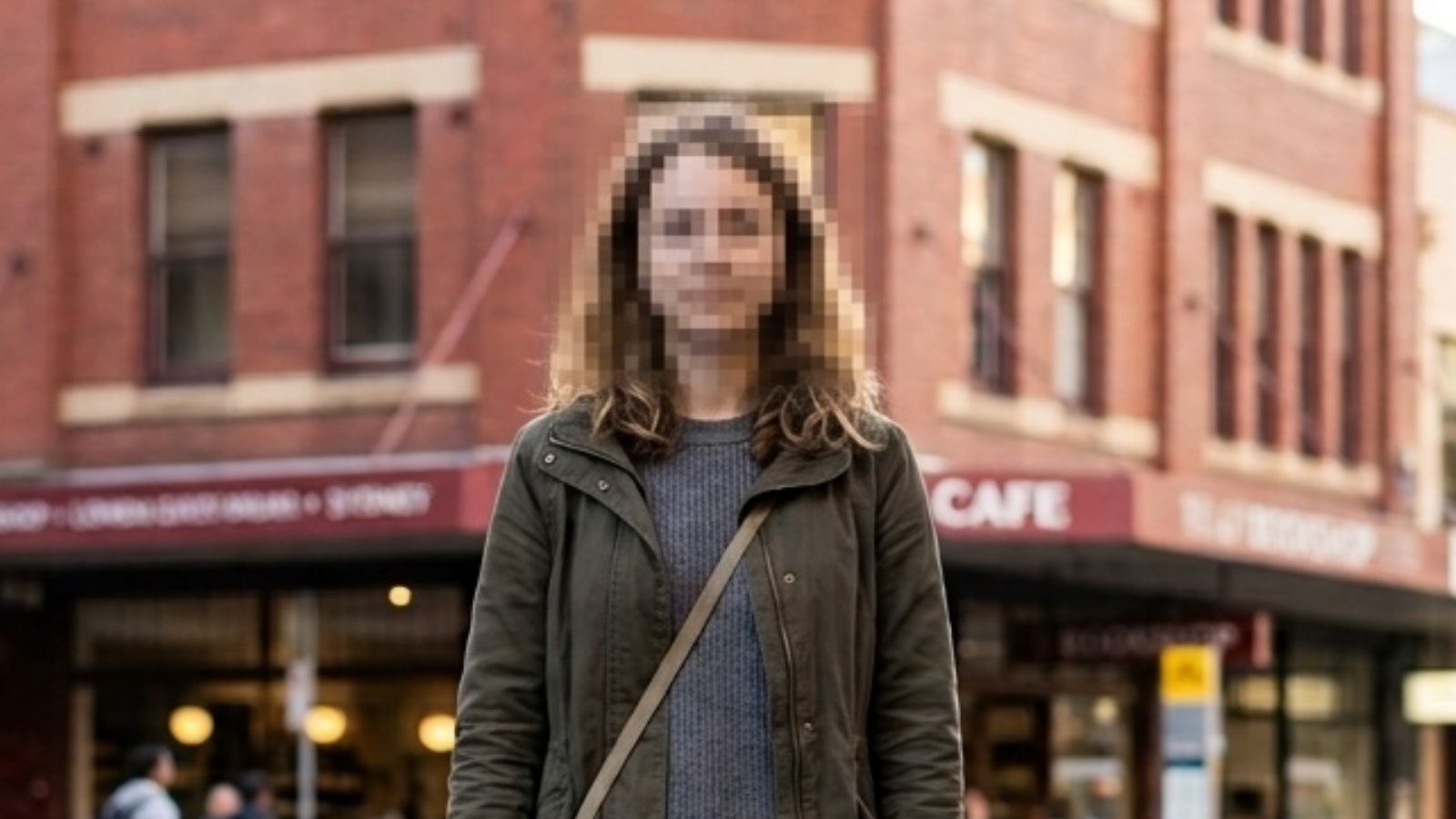
Companies that make camera glasses should automatically blur the faces of people who have not consented to being filmed, Australia’s online safety regulator has told the industry.
In a report published in August and reported on Monday, the eSafety Commissioner set out five measures it wants manufacturers to adopt, and described how the devices are being used against women.
“‘Pick up artist’ content creators use smart glasses to film themselves flirting with women and asking them on dates, then upload the footage to social media under the guise of providing ‘dating advice’,” the report says. “Most of the women do not realise they are being filmed. These posts often attract misogynistic comments, compounding the harm.”
Used that way, it says, the glasses “can reinforce and normalise watching, recording and controlling women in public without their knowledge”, contributing to “harmful gendered stereotypes” and undermining “women’s agency in public spaces”.
The report records that perpetrators have demanded money from victims to take down viral footage recorded with the glasses, which it calls an extension of existing forms of online extortion. It says the same covert recording features could be used to commit image-based abuse.
The five measures
Some glasses already use a light to show they are recording, the report says, but “bystanders often do not notice these lights, particularly if they are unfamiliar with the technology”. It calls for “a clear and unmistakeable recording indicator that cannot be disabled or easily obscured”, and says recording should be blocked if the light is tampered with.
Companies “should automatically blur the faces of people who have not provided informed consent”, it says, which “would help prevent people from being filmed without their knowledge in ways that could later cause harm”.
Live streaming should run on a delay, with visual and audio indicators when it begins, and the delay should be long enough for moderation software to review the content before broadcast.
The glasses should not be able to record when they are not being worn. And users should not be able to use them to retrieve information about members of the public.
The report also records benefits, including live speech-to-text for deaf users and descriptions of surroundings for people with low vision.
Enforcement
The recommendations are not binding. The report notes that eSafety’s Online Safety Codes and Standards oblige service providers to prevent, detect and remove unlawful material, which it says may include content captured and shared through smart glasses. The regulator can investigate compliance and impose civil penalties of up to A$54.6 million.
The government’s answer
Australia’s attorney-general, Michelle Rowland, said on Monday the government was not considering a ban on importing the glasses, which the Greens and independent members of parliament had sought. “We are not specifically, in this consultation, consulting on an import ban,” she told reporters, adding that it was “not ruling anything out in terms of other measures”. A ban would have consequences across trade and foreign affairs, she said.
She released draft privacy legislation instead, out for consultation, which includes a right to erasure from large social media platforms and search engines and is drafted to be technology-neutral. Rowland said councils and businesses could restrict the glasses themselves, pointing to Brisbane City Council’s ban on non-consensual filming at its 21 public pools last week.
Greens senator David Shoebridge called the draft laws a modest step forward but said they should cover the glasses, and repeated the call for an import ban.
Elsewhere
Norway’s Ministry of Digitalisation said on 25 August it was seeking stricter regulation and would appoint an expert group, and was considering banning facial recognition of other people in public spaces. Hong Kong’s privacy commissioner has warned the glasses could become a tool for covert filming, and civil society organisations in Brazil have asked the authorities to examine the privacy risks of Meta’s Ray-Ban glasses. France’s data protection authority said in May that recording indicators were of limited use and absent for some functions.
Meta closed a way of defeating its recording light on 27 August, the second such change in under two months. Cheaper models have driven the take-up: earlier versions cost about $500, and some now sell for under $100.