
-

Not only image abuse hurts women: Korean law challenged
Women are being degraded in private online groups in which no photograph of them appears, the head of South Korea’s specialist organisation on digital sexual violence told a roundtable in Seoul.
-

Two years after Ema died, deputies pass the law in her name
Ema Bondaruk was 15 when a boy from her school shared a video of her without her consent. The law named after her is already in force in another Argentine province. Buenos Aires deputies passed it on Thursday and sent it to…
-

Tech abuse linked to partner killings: The UK evidence
An analysis of 487 statutory reviews into intimate partner killings found technology used to harass, monitor, track and deceive victims — and, in most cases, not counted as a risk.
-

South Korea moves against illegal image websites
Opening a site that distributes sexual images would become a crime in itself, and investigators would be permitted to break into one to delete what is on it, under a plan three Korean agencies announced on Thursday.
-
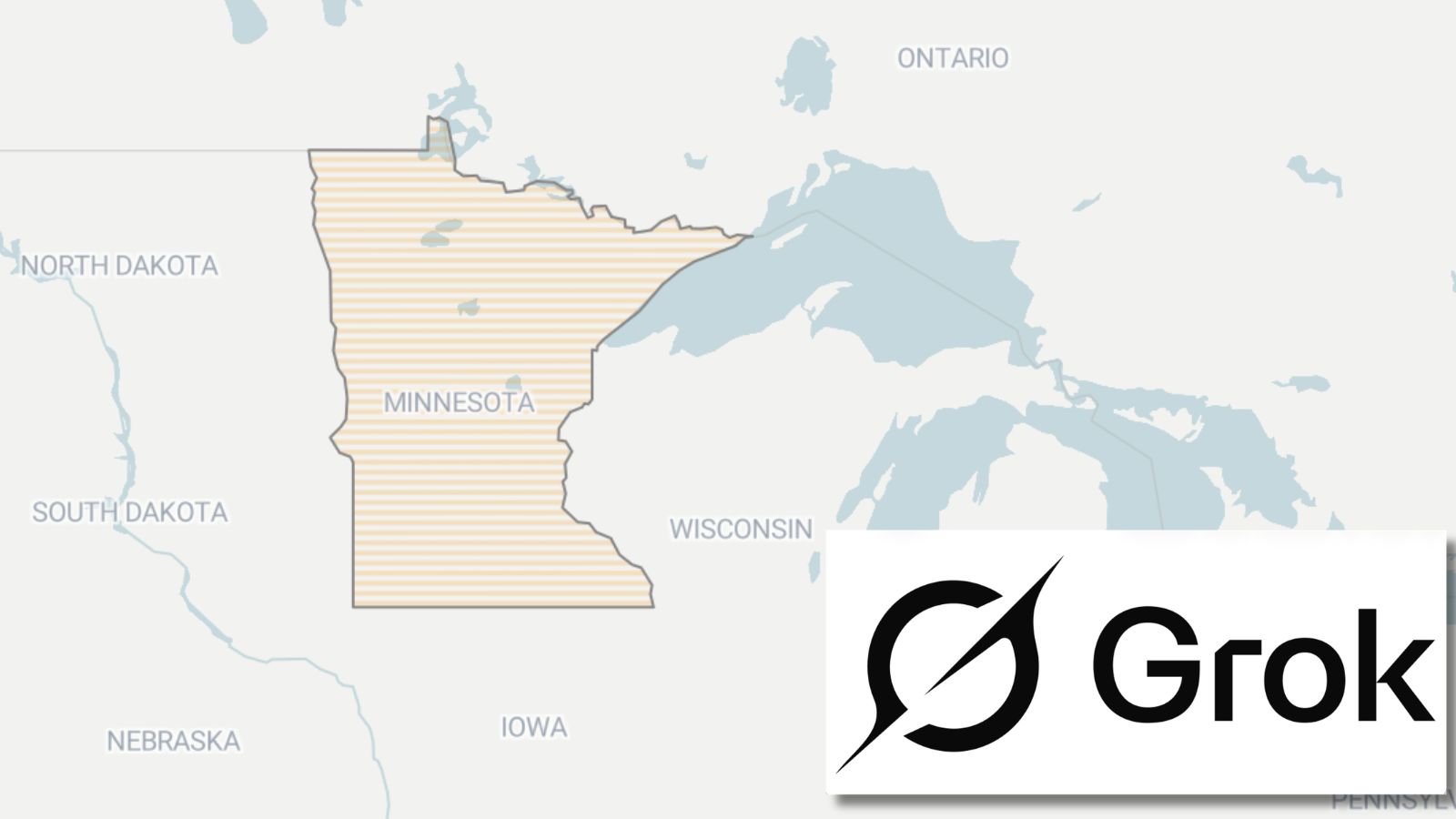
Minnesota’s nudification ban goes too far: Justice Department
In a filing read by Unbowed, Washington argues the state law reaches conduct federal law does not, imposes strict liability without a consent exception, and risks hampering American leadership in AI.
-

Korean police shelved a deepfake case. The survivors filed their own.
A student ran an “acquaintance rating” account, posting classmates’ photographs for strangers to score and then making sexual deepfakes of them, a regional daily reports. It says an allegation a year earlier was closed because police could not identify anyone.
-

Sexual imagery was 96 per cent of deepfake files researchers found
One attack in six involved non-consensual sexual imagery — but those attacks produced almost all the material. Nine in ten were still images, made with one-click tools.
-

Sexual deepfake apps on Apple’s App Store, research finds
Research by an AI-detection company describes nearly 50 App Store apps that advertise photo editing and deliver explicit face- and body-swapping. The advertising runs on TikTok. Ofcom says it has no power over app stores.
-

India’s Supreme Court leaves harmful takedowns to the government
A lawyer asked for a judicially supervised emergency path for removing online harms. The court agreed the problem is real, but sent it to the government.
-

Online violence is pushing Kenyan women out of politics, UN study finds
With a general election due in 2027, UN Women reports that the patterns of 2022 are already repeating — in a country where sharing a woman’s intimate images carries a penalty 25 times lower than pirating a song.