
-

Forty-eight US states now have laws on sexually explicit deepfakes
Ohio and New Mexico are the exceptions. But the laws counted differ sharply in what they reach — some cover only images of children — and the pace of new legislation has slowed.
-
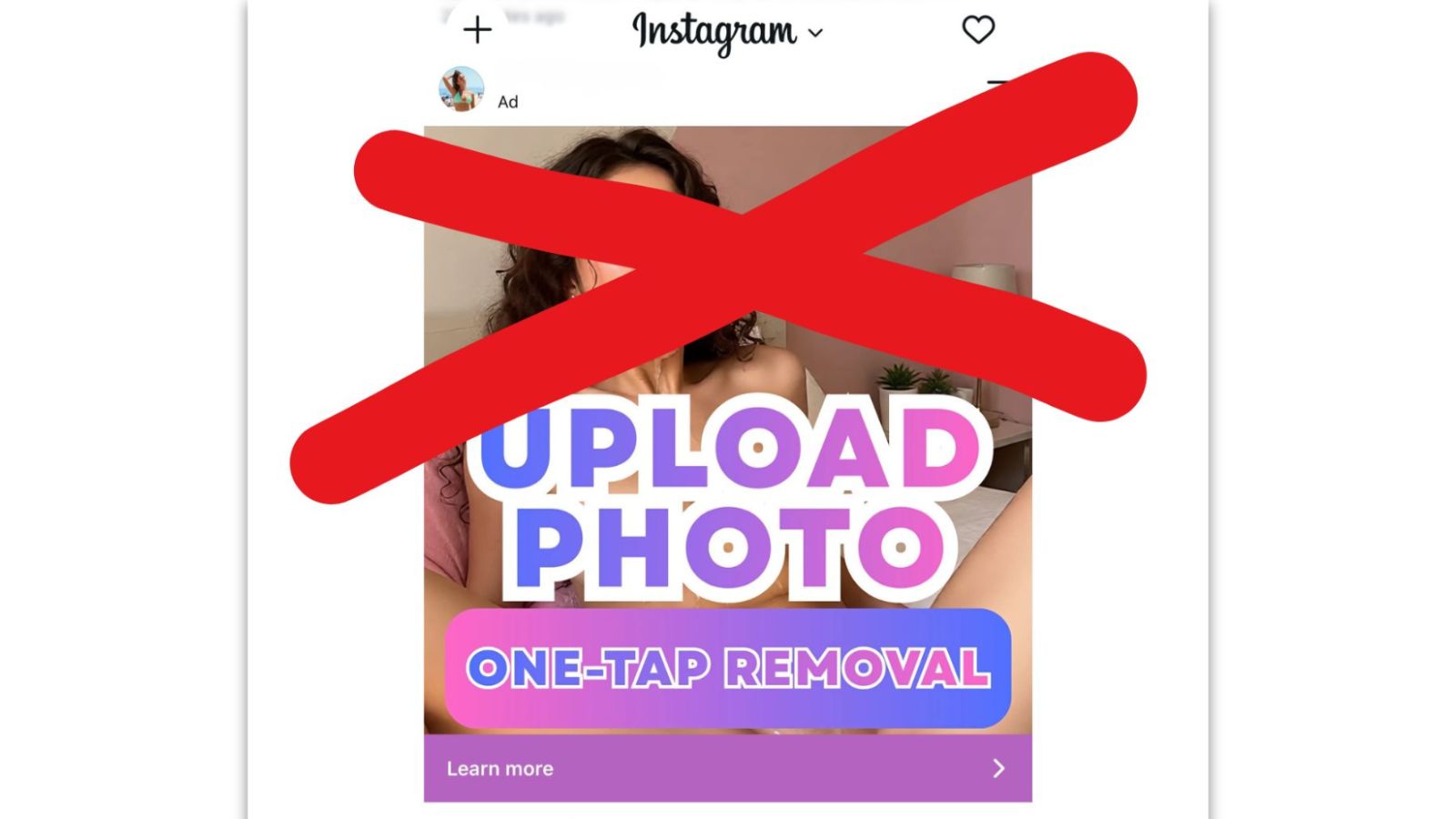
Nudify app ads still appearing on Instagram, campaigners say
Stop Online Harm says its team found adverts for tools that strip clothes from photographs of real people, days after Meta’s advertising partner in China said it had stopped taking on such clients.
-

Nearly nine in ten Australian women in politics report online abuse
Half of those surveyed say they now question whether they would stand again. Two-thirds have encountered AI-generated abuse, and fewer than half of the women who were abused reported it to anyone.
-
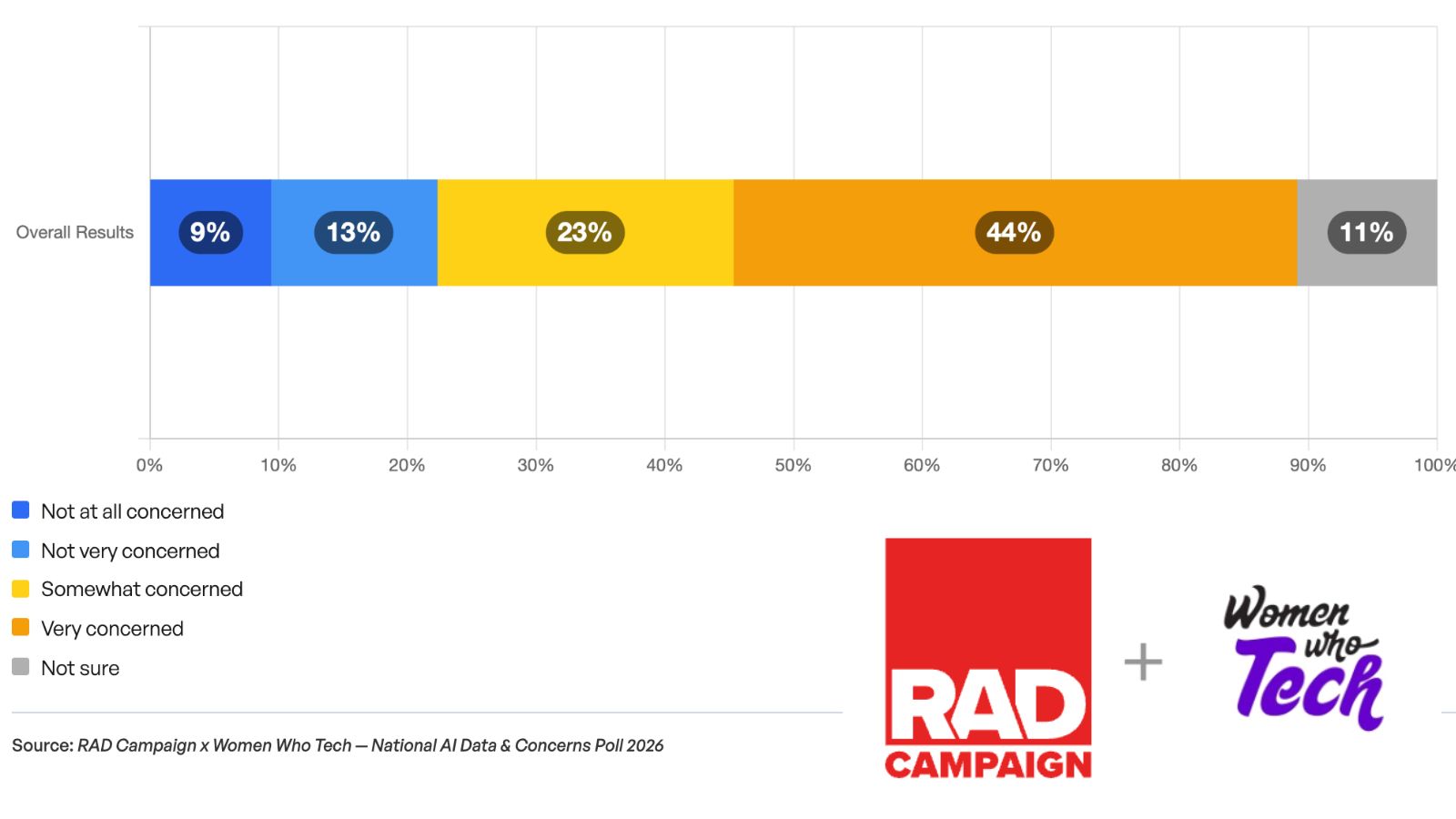
US poll shows huge concern over AI sexual images of women
Two-thirds of adults registered concern about AI being used to sexualise women, and 71 per cent about deepfakes of children, in a survey by two organisations that campaign on the issue.
-

Tokyo police arrest man over AI nude images of women athletes
Police say he altered photographs of female track and field athletes and posted the results. A second allegation turns on a photograph taken when the woman it depicts was a child.
-

Bangladesh sets out zero-tolerance policy on online abuse of women
The government says it will legislate against cyber violence. Campaigners point to cases that never reach a courtroom.
-

Indian police treat coordinated online abuse as sexual harassment
An investigation naming 43 accounts tests whether Indian law can reach brigading campaigns rather than individual perpetrators.
-

Pakistan cyber agency announces seven arrests in three days
Punjab police say the men blackmailed and harassed women online. No conviction figures have been published for any of the hundreds of similar cases brought this year.
-

EU deepfake labelling rules become enforceable
From 2 August, AI-generated content must be labelled and carry machine-readable marks. The obligation applies even where there was no intent to deceive.
-

YouTube sent 1.8 million visits to nudify sites, research finds
Social networks drove more than 5.7 million visits to tools that generate non-consensual sexual images in four months, according to the Institute for Strategic Dialogue.