
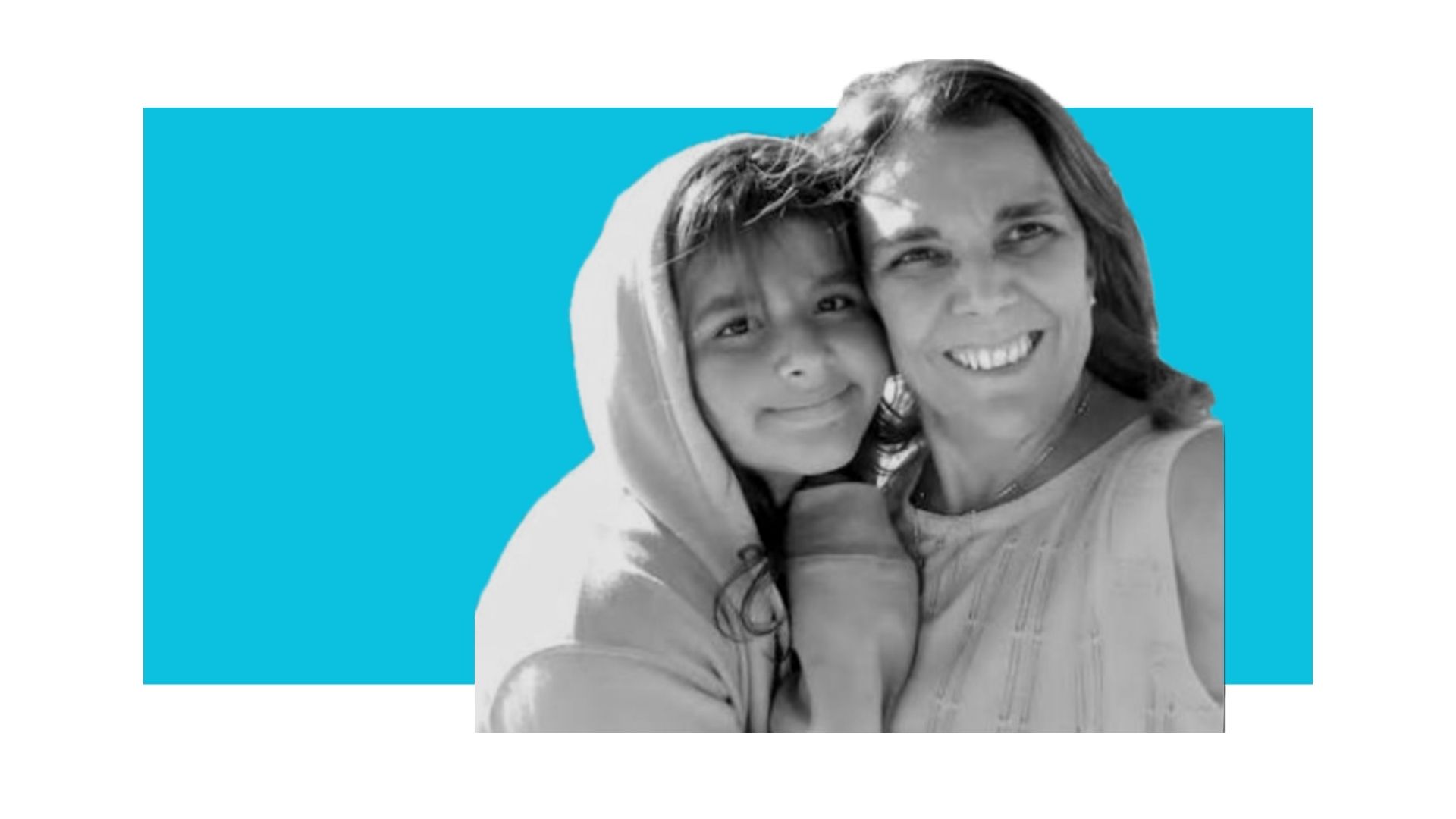
On Friday 23 August 2024, Ema Bondaruk spent longer than usual at the mirror. The annual school photograph was being taken that day and she wanted her fringe right. Her mother sounded the car horn from the drive, as most mornings.
That day a boy from her school shared, without her consent, an intimate video of the two of them. It moved through the school’s WhatsApp groups within hours. The school telephoned her mother to say they had taken the boy’s phone and reprimanded him.
Ema died the following day, Saturday 24 August, at the family home in Longchamps, in Buenos Aires province of Argentina. She was 15.
Two years on, the law that carries her name has passed the Buenos Aires Chamber of Deputies.
Deputies approved the Ley Ema on Thursday and sent it to the provincial Senate, where it must pass again to become law. Mayra Mendoza, the Quilmes deputy who introduced it, said she expected it to take effect across the province soon.
Where the bill stands
The Ley Ema cleared the second of two committees on Wednesday last week, when the Buenos Aires Chamber of Deputies’ general legislation committee gave it a favourable report, Parlamentario reported. The education committee had approved it the week before.
It reached the floor at the chamber’s fourth ordinary session of the year, on Thursday 27 August, alongside disability and education measures and an agency to manage seized assets.
The bill was presented in May by Mayra Mendoza, a deputy for Quilmes with the governing provincial bloc Unión por la Patria, who chairs the education committee. Parlamentario reports that she worked on it with Ema’s mother, Laura Sánchez, and with organisations specialising in digital rights.
Not everyone has supported it. When the education committee approved the bill this month, the two deputies on it from La Libertad Avanza, the party of President Javier Milei, voted against, according to Página|12.
What it would require
The bill would oblige the province’s education authority to teach consent, privacy, digital rights and the ethical and critical use of artificial intelligence. It would update school protocols to set out what staff must do when digital violence occurs — halting the harm, preserving digital evidence, and avoiding revictimising the pupil. And it would make training compulsory and continuing for everyone working in the education system, so that teachers and managers can recognise risk and act.
It covers cyberbullying, non-consensual distribution of intimate images, impersonation, grooming and harms involving manipulated content and AI.
The province that got there first
Santa Fe passed its own version last month. Its Senate approved the Ley Ema unanimously in late July, making it the first Argentine province with a law specifically on digital violence in schools, according to the province’s Defensoría de Niñas, Niños y Adolescentes, the children’s ombudsman.
That law binds every public and private school in the province at every level, and reaches pupils, teachers, management, families and non-teaching staff. It puts digital citizenship, consent and privacy into the curriculum and guarantees psychological, educational and legal support to victims. Rosario’s city council adopted its provisions on Friday.
The ombudsman describes the approach in one phrase: no punitivista — not punitive.
That is deliberate, and Sánchez has explained why. The bill she worked on does not provide prison sentences for those who share the images. “Because these are minors, the idea is to create awareness through some kind of activity or course,” she told Infobae, “so that they realise that what they did can kill the victim.”